Why Are Richard Mille Watches So Expensive?

Time:2026-10-15 Author:Madeline
0%

Why Are Richard Mille Watches So Expensive? The answer begins with scarcity, engineering, and a pricing model unlike ordinary luxury watches. Richard Mille does not publish complete production or financial figures, so responsible analysis must separate verified facts from industry estimates. Morgan Stanley and LuxeConsult reports have repeatedly placed the brand among Switzerland’s highest-revenue watchmakers, despite production remaining in the low thousands annually. That imbalance matters. Limited supply creates stronger demand, especially when each model combines unusual materials, complex movements, and recognizable design.

The Federation of the Swiss Watch Industry reported Swiss watch exports of approximately CHF 26 billion in 2024. Yet Richard Mille occupies a far narrower, higher-priced segment. Its cases may use carbon TPT, ceramic, titanium, or other advanced materials. These components require specialized machining, strict quality control, and significant research investment. Some movements include tourbillons, variable-geometry rotors, or shock-resistant architecture. They are not merely decorative complications. They reflect a technical identity.

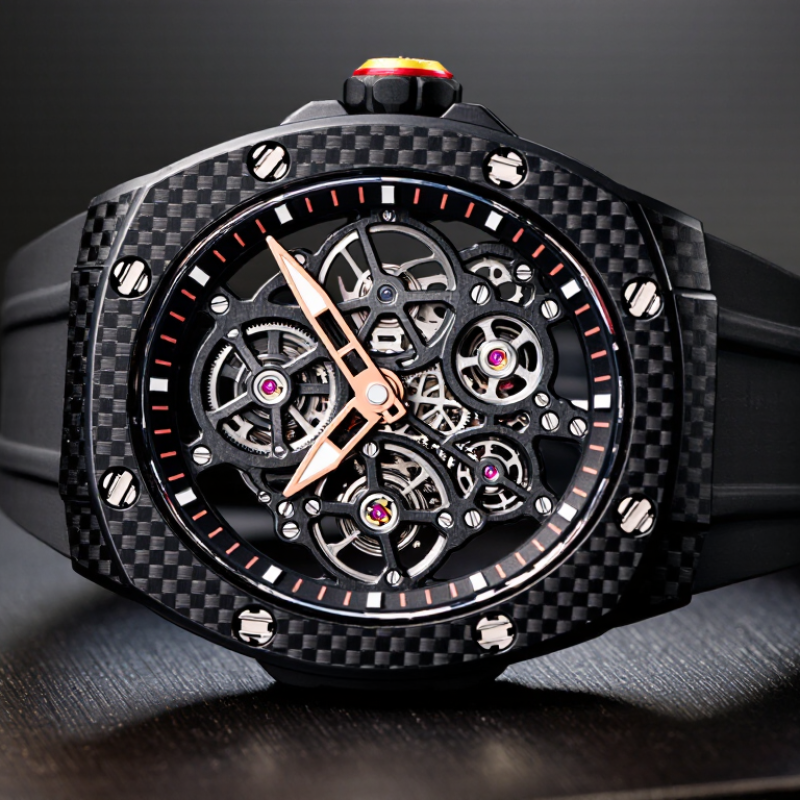
The cost is also visible in the hand. A skeletonized movement exposes bridges, screws, and polished edges under sapphire crystal. Every surface demands inspection. Servicing can require brand-trained specialists and replacement components, adding long-term ownership costs. Still, technical excellence alone does not explain every dollar. Brand prestige, celebrity visibility, dealer economics, and resale speculation also influence prices. This explanation is incomplete. Public data cannot fully measure emotional value, craftsmanship, or marketing power. Richard Mille Watches remain expensive because engineering and exclusivity reinforce each other, while transparent production data remains limited.
Why Are Richard Mille Watches So Expensive?

What Makes Richard Mille Watches Different from Traditional Luxury Watches?

Richard Mille watches differ from traditional luxury watches through engineering, not decoration alone. Their cases often use titanium, carbon composites, ceramic, or other aerospace-inspired materials. These materials reduce weight while improving resistance to shocks and temperature changes. The movement may appear suspended inside the case, with bridges, plates, and screws arranged for visibility. It looks almost mechanical sculpture.

Production is also unusually specialized. Many components require computer-controlled machining, hand finishing, and repeated testing. A workshop may inspect tiny tolerances under magnification, then test the assembled watch against vibration or impact. The Federation of the Swiss Watch Industry reported Swiss watch exports of approximately CHF 26.0 billion in 2024. That figure shows market strength, but it does not prove every expensive watch offers equal value.

Scarcity adds another layer. Low annual production spreads research, tooling, skilled labor, and testing across fewer pieces. The 2024 Deloitte Swiss Watch Industry Study identified changing consumer demand and economic uncertainty as major industry concerns. That matters because exclusivity can protect pricing, but it can also create speculation. The logic is imperfect. A lighter case does not automatically create a better daily watch. A complex movement can be harder to service. Buyers should examine material specifications, power reserve, service intervals, and independent testing reports before judging the price. Even experienced collectors can mistake visual complexity for technical superiority.

How Advanced Materials and Engineering Drive Up Production Costs

Why Are Richard Mille Watches So Expensive?

Luxury mechanical watches become expensive long before they reach a display case. Much of the cost begins with materials chosen for strength, lightness, and heat resistance. Carbon composites, titanium alloys, ceramic, and specialized steel require different cutting tools and machining methods. These materials are not simply expensive to buy. They are difficult to shape. Some wear tools quickly, while others can crack during finishing. That creates waste, slower production, and constant inspection.

Engineering adds another layer. A modern high-performance movement may contain hundreds of tiny parts, each needing precise alignment. Tolerances can be measured in microns, leaving little room for correction. Producing a prototype is only the beginning. Engineers must test vibration, temperature changes, magnetic exposure, and long-term friction. Every revision consumes skilled labor and costly materials. Manual assembly takes even more time, especially when technicians inspect surfaces under magnification.

The case also requires careful integration. Open structures, curved crystals, and lightweight components can complicate sealing and shock protection. In practical workshops, one small mistake may force a part to be remade. That is inefficient.

Even this explanation has a weakness: material cost is easier to measure than engineering judgment. It is tempting to treat every visible detail as proof of superior performance, but that would be careless. Some features improve durability, while others mainly increase complexity. Reliable evaluation requires examining the design purpose, manufacturing difficulty, and testing process together.

Why Limited Production and Complex Assembly Increase Their Price

High-end mechanical watches often cost more because they are produced in small numbers. Limited production spreads development, tooling, and testing costs across fewer pieces. That changes the economics. Scarcity may also increase demand, but it does not automatically prove better performance. Buyers should separate genuine craftsmanship from emotional pricing.

Complex assembly adds another major expense. A watch may contain hundreds of tiny components, each requiring careful adjustment. Skilled technicians inspect gear alignment, hand movement, water resistance, and timing accuracy. Some parts receive several finishing stages, including polishing, brushing, and microscopic edge work. The process is slow. A minor error can require partial disassembly and repeated testing. From a technical perspective, labor often matters more than the visible materials. Still, price explanations can become too convenient. Not every expensive detail delivers equal practical value.

Tips: Ask how many units are produced annually and whether the number is independently documented. Request information about service intervals, repair costs, and testing standards. Compare movement specifications with real ownership needs, not advertisements. A complicated design can be impressive, yet it may also be harder and costlier to maintain.

How Brand Identity, Exclusivity, and Celebrity Appeal Add Value

A luxury watch can cost more than its materials suggest. Its price also reflects a carefully built identity. Designers use unusual case shapes, bright colors, and visible mechanical details to create instant recognition. This identity makes the watch feel less like an accessory and more like a personal statement. Collectors often value that emotional response, even when two movements offer similar daily accuracy.

Exclusivity strengthens the effect. Limited production, selective distribution, and long waiting lists can make ownership feel like entry into a private circle. From a specialist’s perspective, scarcity may support resale demand, but it does not guarantee it. Market tastes change. A rare model can still become difficult to sell. That uncomfortable detail is often ignored.

Celebrity appeal adds another layer. When an athlete wears a complicated watch during an interview, viewers connect it with speed, achievement, and confidence. The association can increase attention before anyone studies the movement. Yet celebrity influence is not technical proof. A famous wearer cannot confirm finishing quality or long-term reliability. Buyers should examine service records, construction, warranty terms, and independent reviews. Look closely. The strongest value comes when recognizable design, credible craftsmanship, and genuine demand support one another, rather than celebrity visibility carrying the entire price.

What Buyers Are Paying for Beyond Timekeeping Functionality

Why Are Luxury Watches So Expensive?

Buyers often pay for far more than timekeeping. They pay for engineering, scarcity, materials, and a lasting emotional connection. A complicated mechanical movement may contain hundreds of parts, adjusted by hand over many hours. Its movement can feel alive beneath the case.

The Swiss Watch Industry Federation reported Swiss watch exports of CHF 26.7 billion in 2023. That figure shows the sector’s scale, but it does not explain every price. Deloitte’s 2024 Swiss Watch Industry Study surveyed more than 6,000 consumers and over 75 industry executives. Its findings emphasize quality, design, and brand heritage as major purchase drivers. Yet heritage can become difficult to measure. A polished titanium case, precise finishing, and limited production add real costs. Social recognition adds another layer, although it is harder to justify financially. Buyers may also pay for specialist servicing, secure distribution, and long-term access to parts.

Tips: Ask what you can physically inspect. Study the movement, case materials, warranty, service interval, and documented production history. Do not assume a higher price guarantees better accuracy. Mechanical watches can lose seconds each day. Resale values can also fall, even when demand appears strong. I would treat investment claims carefully. Enjoyment is more dependable than profit, but even enjoyment changes over time.

FAQS

What makes these watches different from traditional luxury watches?

Their design emphasizes engineering, lightweight materials, and visible mechanical structures. Decoration is not the only focus.

Which materials are commonly used in their cases?

Cases may use titanium, carbon composites, or ceramic. These materials can reduce weight and resist shocks or temperature changes.

Why does the movement look suspended inside the case?

Bridges, plates, and screws are arranged for visibility. The result resembles a small mechanical sculpture.

How are these watches tested during production?

Specialists inspect tiny tolerances under magnification. Completed watches may face vibration and impact testing.

Does a higher price always mean better practical value?

No. A lighter case may not improve daily comfort enough. Complex movements can also require difficult servicing.

How does scarcity influence a watch’s value?

Limited production and waiting lists can increase desirability. However, rarity does not guarantee strong resale demand.

Can celebrity ownership prove a watch is technically superior?

No. A famous wearer shows visibility, not accuracy or reliability. Check construction, service records, and independent reviews.

What should buyers examine before judging the price?

Review materials, power reserve, service intervals, warranty terms, and testing reports. Compare carefully. Even experienced collectors can misjudge visual complexity.

Conclusion

Richard Mille Watches stand apart from traditional luxury timepieces through their bold design, advanced engineering, and highly specialized construction. Rather than focusing only on classic decoration, they often emphasize technical innovation, lightweight performance, shock resistance, and unusual case shapes. The use of sophisticated materials and precision manufacturing requires extensive research, specialized equipment, and highly skilled labor, all of which significantly raise production costs.

Their prices are also influenced by limited production and complex assembly. Each piece may involve numerous carefully finished components and lengthy quality-control processes, making large-scale manufacturing difficult. Beyond technical features, buyers are paying for exclusivity, distinctive brand identity, and strong recognition among collectors and public figures. Ultimately, these watches offer more than basic timekeeping: they combine engineering, craftsmanship, rarity, visual impact, and social prestige into a highly individualized luxury object.


Madeline

Madeline

Madeline is a dedicated marketing professional with a wealth of expertise in our company's core offerings. With a keen understanding of the industry, she brings a unique perspective to her role, consistently delivering high-quality content that highlights the superior aspects of our products. As......